

WUSC Public Engagement
A Grendered Aapproach In The Cobservation Of Dzalanyama Forest Reserve.
By: Temwanani Veronica Kalulu
Communications Advisor

Figure 1: Dzalanyama Forest Reserve Location
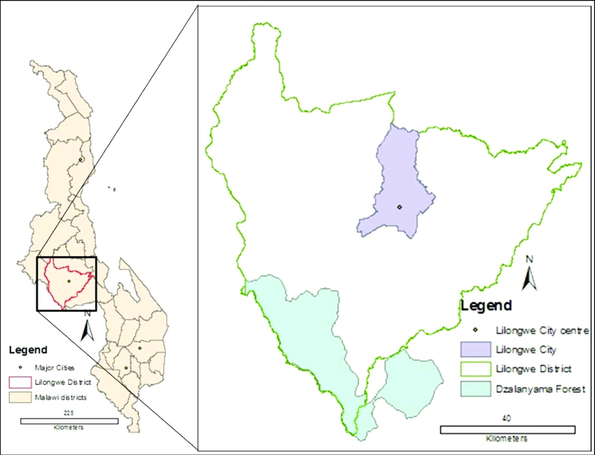
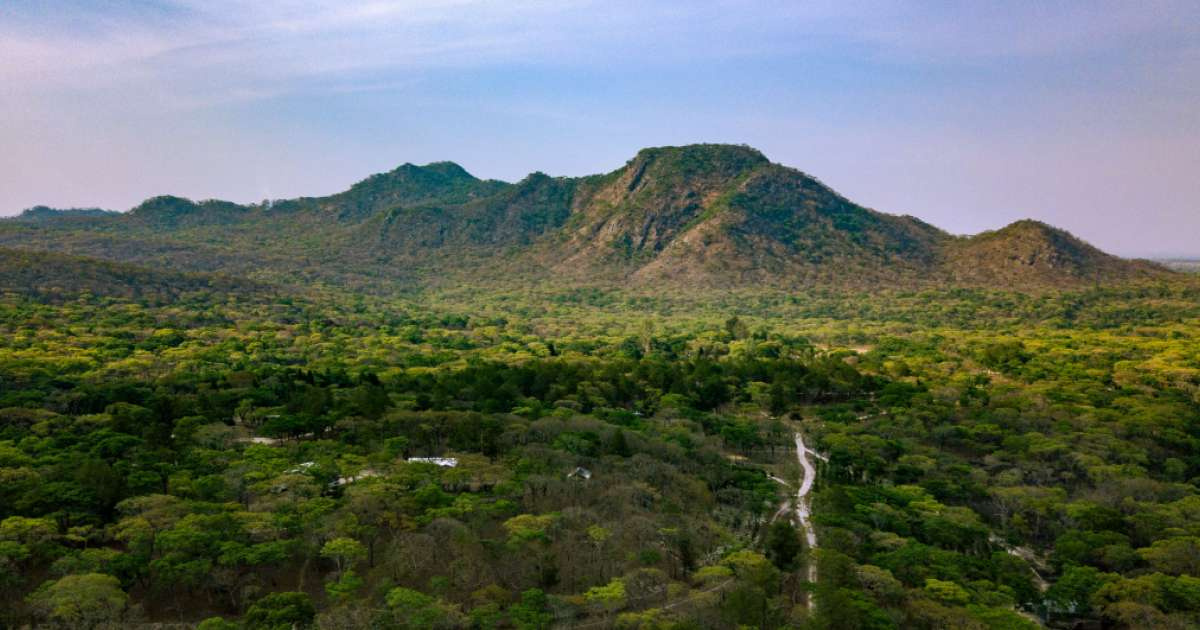
Dzalanyama (‘Place of Animal’ in Chichewa) is the second largest Forest Reserve Malawi. Dzalanyama Forest Reserve is approximately 60 km south-west of Lilongwe in Central Malawi, and incorporates the steep range of hills which bear the same name. Dzalanyama stretches across an area of 989.3 square kilometers and covers parts of Lilongwe, Dedza and Mchinji District.
Formerly known as the Central Angoni Highlands Game Reserve, the status was changed in the late 1922 and became a forest reserve – to protect Lilongwe’s water resource and to protect the forest's ecosystem. The forest is an important habitat for miombo birdlife and rare species like the olive-headed weaver, miombo pied barbet, Boulder Chat, White Tailed Flycatcher, Black Eared Seedeater, Stierling’s Woodpecker.
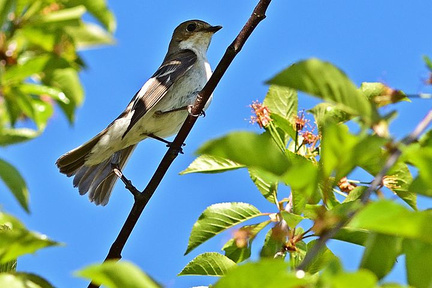
Figure 2: A bird of Miombo species found at Dzalanyama Forest Reserve
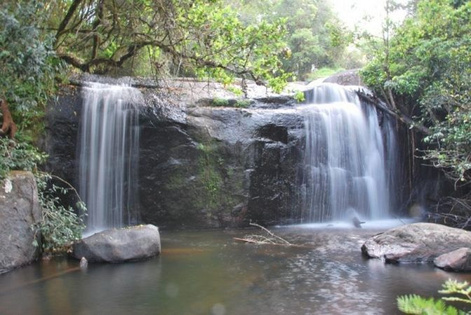
Figure 3: One of the many streams found inside Dzalanyama Forest Reserve.
The importance of Dzalanyama Forest Reserve to the economy and ecosystems cannot be overstated. Listed below are some of the importance:
- Water catchment area for Lilongwe city through Kamuzu dams 1 and 2.
- An important habitat for wildlife including tree and bird species.
- One of the most productive Agricultural areas for Maize and Tobacco.
- Provides livelihood security for households surrounding the Forest Reserve.
- Provides firewood, timber and poles to Lilongwe residents.
- An important tourist destination for activities such as bird-watching, trekking, mountain climbing and swimming in the beautiful natural pools and streams found in the reserve.
The forest faces massive destruction mainly through charcoal production, large-scale firewood collection, brick production, tobacco curing and uncontrolled forest fires with poverty, energy poverty and population growth are among the driving factors.
Between 2013 and 2015, the reserve lost 15% of its biomass. In response, the Office of the President and Cabinet held the first stakeholders’ meeting in January 2015. They decided to engage the Malawi Defence Force's patrol operations and soldiers were deployed and a new Forestry Laws were put in place. Despite this, Dzalanyama Forest Reserve is still under serious threat.
Add a Call-to-Action
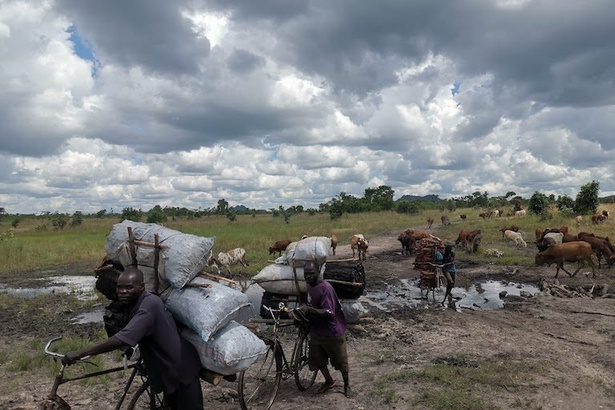
Figure 4: Transporters push their loads of illegal charcoal from Dzalanyama Forest Reserve.
Women living in areas surrounding as Dzalanyama tend to feel the impacts of deforestation and forest degradation more acutely due to their traditional roles and responsibilities. Rural women produce the majority of the food; and they are also accountable for cultivating land, collecting non-timber forest products, and collecting water and firewood. So, when land and forests are degraded to the point that they no longer provide food, women and children are the most severely impacted. Forest loss exacerbates competition over resources and threatens women’s access to food, medicine, and other products that are essential for them and their families to survive and make a living.
As tree coverage is lost, women are forced to travel greater distances, exposing them to increased risks of attack and rape. Drought and land degradation tend to increase the burden of unpaid care and domestic work shouldered by women and girls which further widens the gender inequality gap. Despite this, women remain largely excluded from forest management, benefiting from resource wealth or participating in decision-making about natural resource management.
The Wildlife and Environmental Society of Malawi (WESM), formed in 1947, is a membership organization promoting, advocating for and making a visible and measurable difference to the well-informed conservation and sustainable management of wildlife and the natural environment in Malawi. WESM as the principle national non-governmental organization (NGO) working in the field of wildlife, natural resources and environmental conservation, works through awareness campaigns and extension services involving the local community and youth groups.
To compliment WESM's work, I organized a training on the 2nd to the 3rd of March 2023 as part of my WUSC volunteer mandate. The training was aimed at achieving one specific objective namely “Improved gender-responsive approach in climate action to achieve economic, social, and environmental goals”.The training targeted 30 women and 4 chiefs from communities in the area of Traditional Authority(T/A) Masumbankhunda which surrounds Dzalanyama Forest Reserve in Lilongwe. The training recognized the need to use an Inter-sectional Lens approach to solve the challenges faced by the women. The training thus included environmental conservation and sustainable livelihoods to economically empower women with the aim of alleviating their vulnerability to the negative effects of deforestation and environmental degradation.
By recognizing that the women are not helpless parties in the unique challenges they face rather they have the power to change their reality, the women split into groups where they outlined challenges they encounter as women in regards to the effects of deforestation and climate change.
Most common challenges include; poor yields due to soil erosion, increased cases of gender-based violence, conflict between humans and wildlife, drought and famine leading to hunger and malnutrition, dislocation due to floods, lack of firewood, increase in diseases such as Cholera and Malaria, extinction of some animal and plant species. Some of the solutions to the challenges include starting up eco-friendly enterprises, sustainable farming, acquiring technical skills like tailoring and baking, setting up women’s cooperatives and forestry management groups.
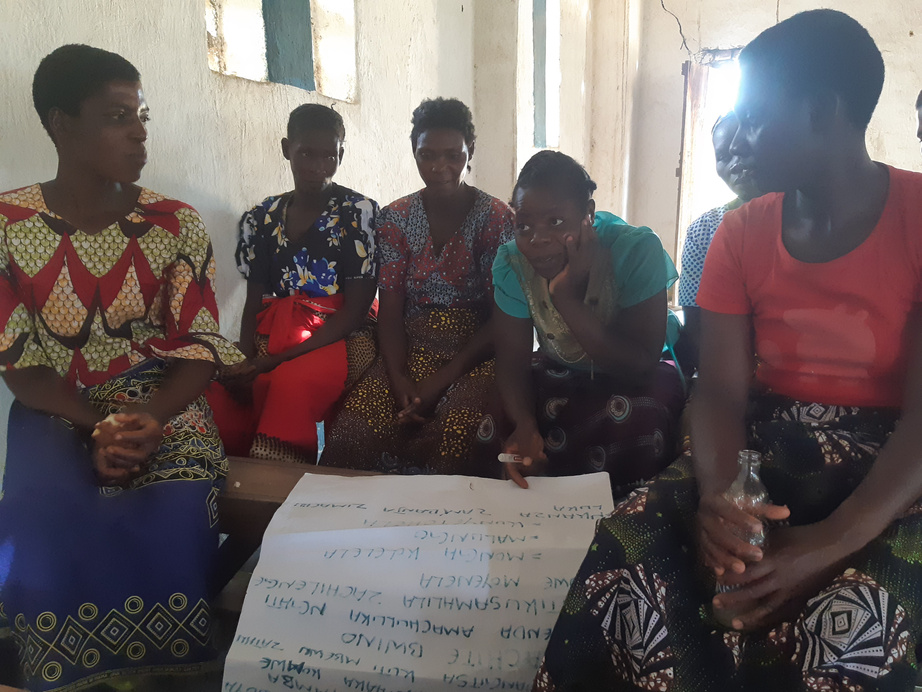
Figure 5: Group discussion during co-creation session
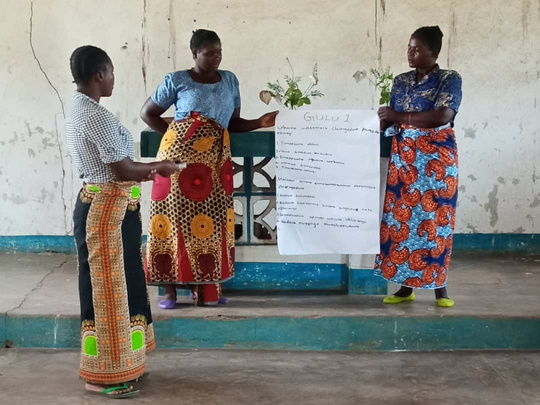
Figure 6: Group presentation during co-creation session
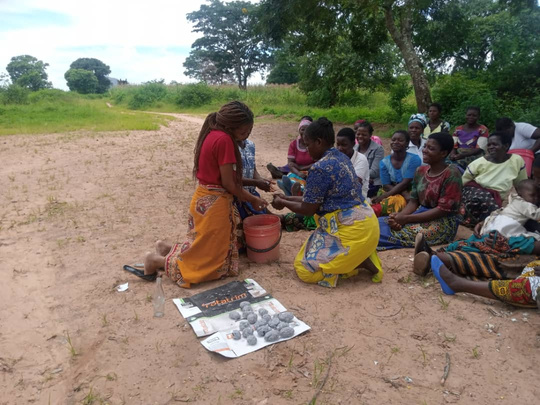
Figure 7: Wusc volunteer and women making fire briquettes.
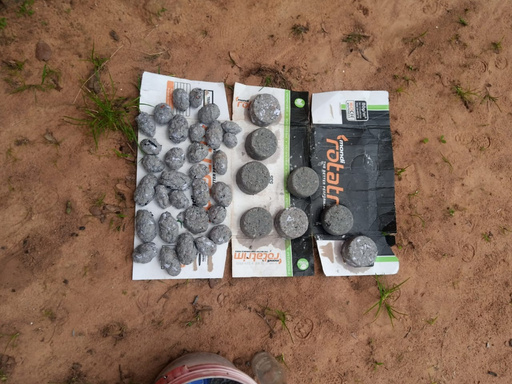
Figure 8: Fire briquettes made from water and waste papers.
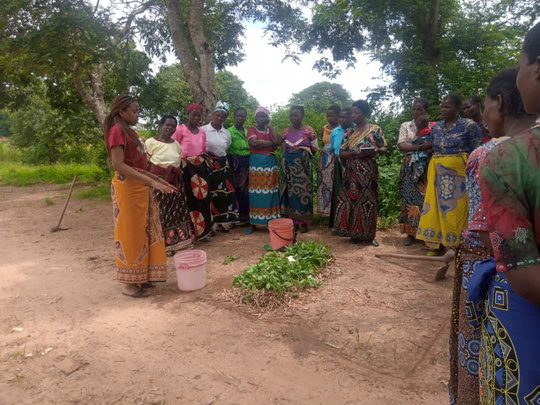
Figure 9: Demostration on organic manure production.
The training also included a hands-on session on sustainable livelihoods. The women were taught how to make compost manure from household organic waste and farm waste. Benefits of the manure in restoring soil fertility and nurturing sensitive ecosystems. Afer that the women were taught how to make fire briquettes from waste paper and water. The women appreciated that the fire briquettes reduce the need to use firewood or charcoal and lower health risks by reducing unhealthy smoke and particle emissions (which happens when using firewood) and reduces cooking times as the heat is concentrated.
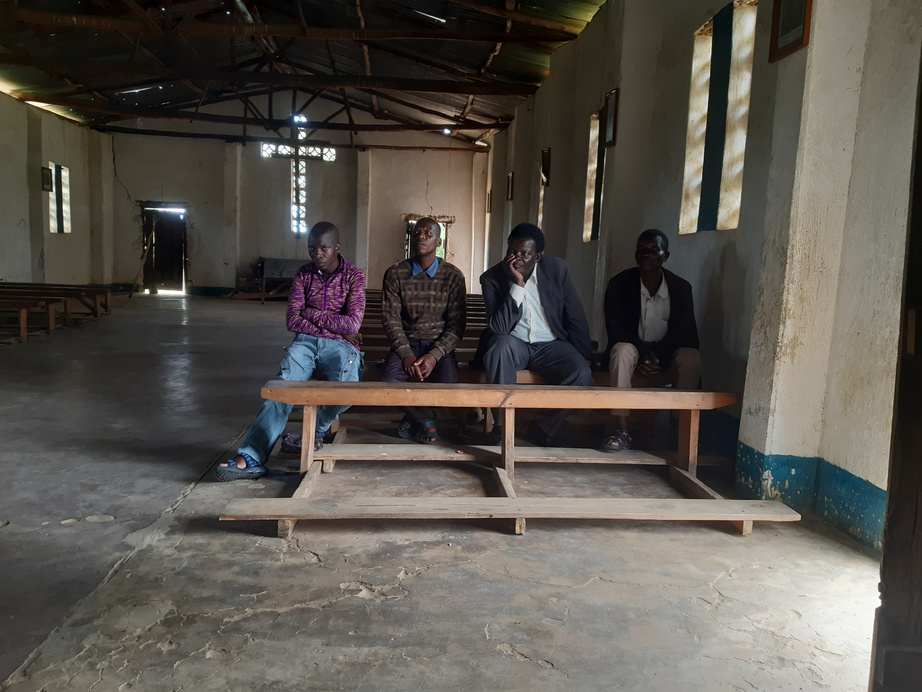
Figure 10: Four chiefs seated during the training.
Traditional leaders play a vital role in forest management and environmental conservation in general. It was during this session that chiefs were trained on how to effectively use their positions to support environmental conservation as well as recognising the gender issues associated with the same.
As well as knowing the importance of environmental conservation for reasons such as, medicinal, spiritual, economic, and ecological values of plants. In addition, traditional leaders serve as intermediaries between state and non-state actors in co-ordinating natural resource management and environmental conservation. The chiefs were also trained on the importance of involving women in decision making in regards to natural resource management and environmental conservation.
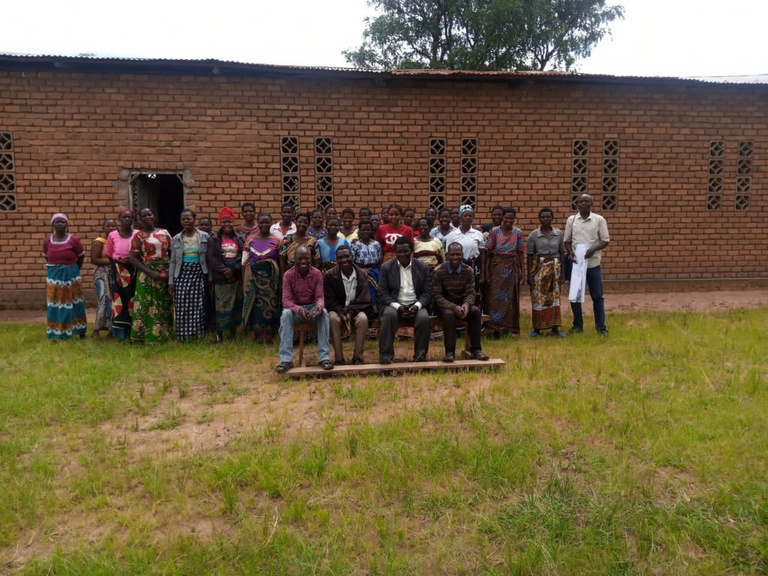
Figure 11: Group photograph of the participants and Facilitators of the training.
ACHIEVED OUTPUTS AND DELIVERABLES
- Fostering forest resilience and women’s equal energy access
- Improving women’s participation in biodiversity governance
- Sensitizing traditional leaders to change gender stereotypes in biodiversity related areas at community level
- Training women on environmental-friendly enterprises
- Gender responsive natural resource management

Consider supporting the Wildlife and Environmental Society of Malawi (WESM) by:
- Becoming a WESM member
- Volunteering with WESM
- Donating money
* All membership fees and donations go to support WESM's environmental education and biodiversity restoration work in Malawi.
For more information:
wesmhq@wesm.mw

www.wesm.mw
WESM_75
WESM_NATIONAL